
Jan 20, 2026

12 minutes
Can You Ski in the Alps as a Beginner? What First-Timers Need to Know
Yes, beginners can ski in the Alps. Here’s what to expect, which resorts work best, and how to plan your first Alpine ski trip with confidence.

By
John Doe
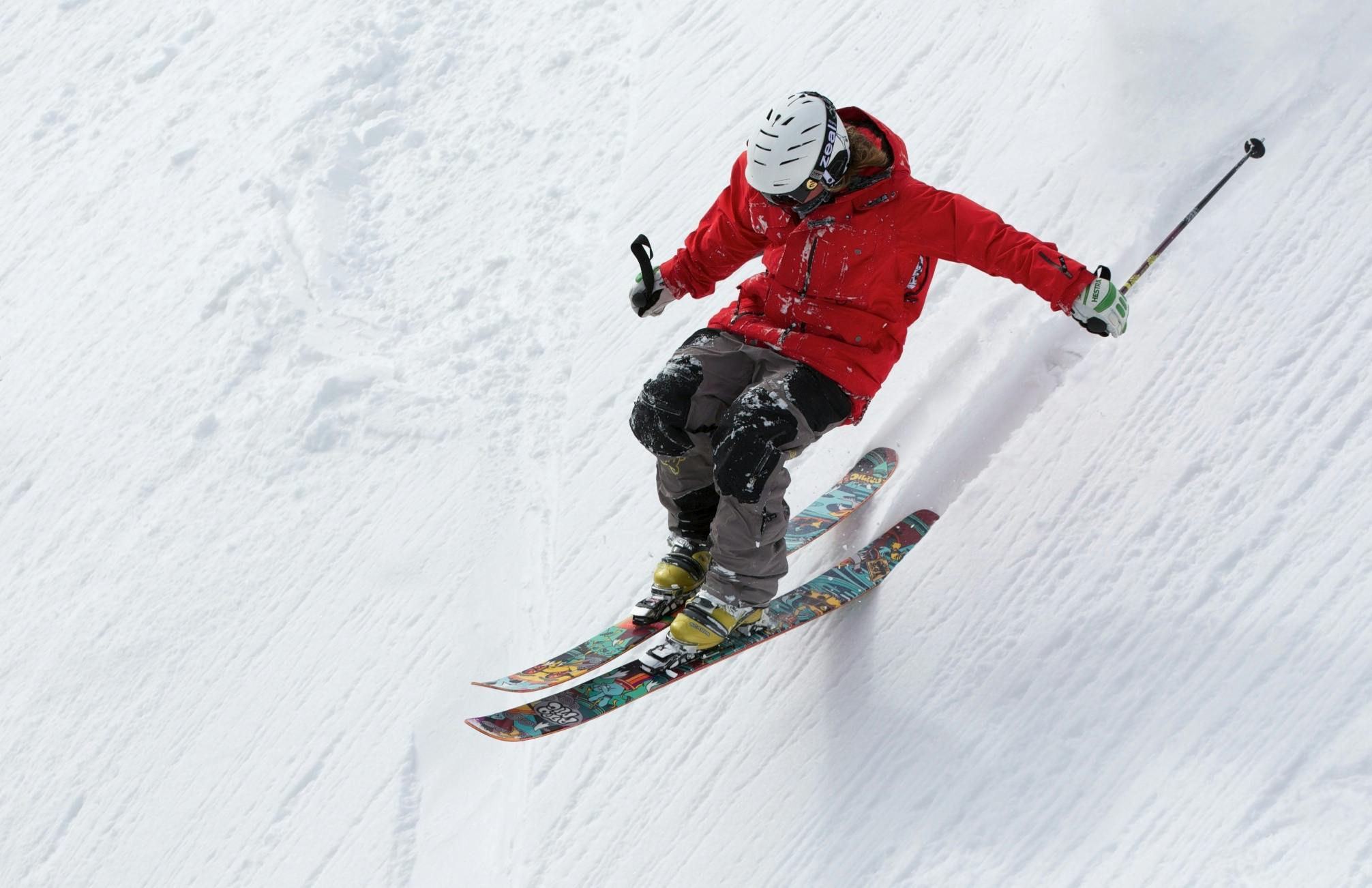
The Alps often look intimidating. Towering peaks, vast ski areas, and images of expert skiers carving steep faces can make first-timers wonder whether the Alps are “too advanced” for beginners. It’s a common concern - and a reasonable one.
The Alps often look intimidating. Towering peaks, vast ski areas, and images of expert skiers carving steep faces can make first-timers wonder whether the Alps are “too advanced” for beginners. It’s a common concern - and a reasonable one.
The short answer is yes: you can absolutely ski in the Alps as a beginner. In fact, some of the best beginner ski experiences in the world are found there. The key is understanding how Alpine resorts are structured, which areas suit first-time skiers, and how to plan your trip realistically.
This guide explains what beginners should expect when skiing in the Alps and how to make the experience enjoyable rather than overwhelming.
The Alps have a reputation for size and scale. Resorts are often enormous, maps look complex, and ski terrain stretches far beyond what a beginner will use. This visual impression leads many first-timers to assume the Alps are only for confident skiers.
In reality, Alpine resorts are built to accommodate everyone - from complete beginners to professionals. Large resorts often have more beginner terrain, not less. The challenge isn’t suitability, but knowing where to start and how to avoid terrain that doesn’t match your level.
Most Alpine resorts separate beginner areas from advanced terrain. These zones usually sit lower on the mountain or close to villages, with gentle slopes, slower lifts, and wide open pistes.
Beginner-friendly features commonly include:
This design allows beginners to learn without being surrounded by fast, advanced skiers.
Despite their dramatic appearance, most Alpine slopes used by beginners are no steeper than those in smaller or less famous resorts. The difference is visual scale, not gradient.
Green and beginner blue runs in the Alps are:
Steep expert terrain exists - but it’s clearly marked and easy to avoid. Beginners are never expected to ski down advanced runs to return to the village.
One of the biggest advantages of learning to ski in the Alps is the quality of instruction. Alpine ski schools are highly regulated, experienced, and used to teaching international visitors.
Benefits of Alpine ski schools include:
For beginners, professional instruction removes fear and accelerates confidence far more than self-teaching ever could.
Several Alpine countries stand out for beginner skiing, each with slightly different strengths.
France offers large resorts with extensive beginner terrain and purpose-built learning zones. Austria is known for excellent instruction, friendly villages, and well-groomed pistes. Italy provides scenic skiing, gentle slopes, and outstanding value, especially for beginners.
Switzerland excels in organisation and reliability but can be more expensive. All four countries work well - it’s the resort choice that matters most.
Not all Alpine resorts feel the same. Beginners should prioritise resorts designed with learning in mind rather than those famous purely for expert terrain.
Beginner-friendly Alpine resorts typically offer:
Purpose-built or family-oriented resorts often feel less intimidating than traditional expert hubs.
A common mistake is underestimating how long learning takes. While progress can be quick, beginners benefit most from multiple consecutive days on snow.
For first-time skiers, 4–6 days is ideal. This allows time for lessons, rest, and gradual progression without rushing. Shorter trips can work, but longer stays reduce pressure and improve enjoyment.
Alpine resorts are well suited to week-long trips, which align perfectly with beginner learning curves.
Your first days in the Alps will likely feel a mix of excitement and fatigue. Expect:
This is normal. Learning to ski is physically and mentally demanding, especially at altitude. Progress comes in waves, not straight lines.
The goal isn’t distance or speed - it’s comfort and control.
Yes, when approached correctly. Alpine resorts prioritise safety through:
Beginners increase safety by staying within their level, taking lessons, and avoiding poor weather conditions. Wearing a helmet is strongly recommended and widely accepted.
Most beginner accidents come from fatigue or skiing terrain that’s too advanced - not from the Alps themselves.
The Alps have a reputation for being expensive, but beginner ski trips don’t have to be. Beginners don’t need access to entire ski areas or premium lift passes.
Many resorts offer:
Choosing the right resort and travel dates has a bigger impact on cost than avoiding the Alps entirely.
Is the Alps too advanced for beginners?
No. Beginners ski on dedicated terrain, not expert slopes.
Will I be holding others up?
No. Beginner areas are designed for learning at your pace.
Do I need to be fit?
Basic fitness helps, but instruction and pacing matter more.
Will language be a problem?
No. English-speaking instructors are common across Alpine resorts.
For many first-time skiers, the Alps are actually an excellent choice. The combination of infrastructure, instruction quality, snow reliability, and resort variety makes learning easier - not harder.
The key is choosing a beginner-friendly resort and setting realistic expectations. When that’s done, the Alps become welcoming rather than intimidating.
The Alps aren’t reserved for experts. They’re built for progression - starting from your very first snowplow turn.
With the right resort, lessons, and mindset, beginner skiers can have a confident, enjoyable, and memorable first experience in the Alps. The mountains may be big, but your first steps don’t have to be.

.png)
.png)
.png)
.png)
.png)
