
Jan 19, 2026

11 minutes
What Skiing Feels Like on Your First Days
From excitement and fear to confidence and exhaustion, here’s what skiing really feels like during your first days on the slopes - and why it’s normal.
.jpg)
By
Mike Johnson
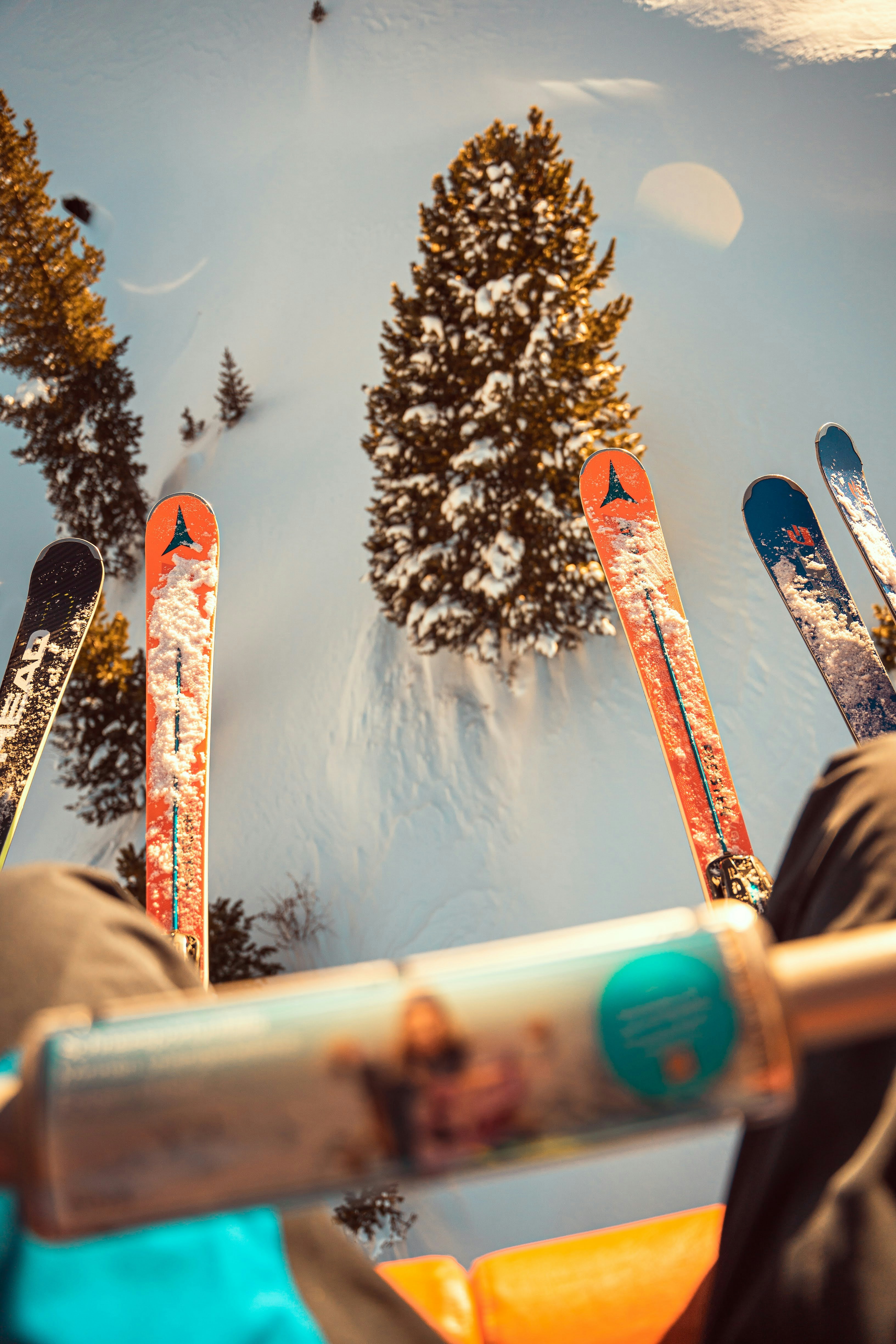
No one tells you this clearly enough: your first days skiing don’t feel like skiing yet. They feel like learning how to exist in a completely new environment - on unfamiliar equipment, on slippery ground, in cold air, with a lot happening at once.
And that’s normal.
The first days of skiing are a mix of excitement, confusion, small wins, and surprising exhaustion. This guide walks through what beginners actually feel - physically and mentally - during those first days on the slopes, so you know what’s coming and don’t mistake normal learning for failure.
Your first day skiing is mostly about unfamiliarity. Boots feel stiff. Skis feel too long. Standing still feels harder than moving. Simple tasks - like clipping into skis or getting up after a fall - require far more concentration than expected.
Most beginners spend day one thinking, “How is everyone else doing this so easily?” The truth is they’re not doing it easily - they’ve just done it before.
Day one is about orientation, not performance. If you finish the day tired, slightly overwhelmed, and curious to try again, you’re exactly where you should be.
Skiing challenges your balance in subtle ways. You’re standing on narrow surfaces, sliding downhill, and learning to trust edges you can’t see. At first, your body overreacts - tensing muscles, leaning back, or freezing altogether.
This tension is normal. Balance improves as your brain learns that sliding doesn’t automatically mean falling. Once that trust develops, movements start to feel smoother without conscious effort.
Early instability isn’t a lack of ability - it’s your nervous system adapting.
Fear doesn’t always appear where you expect it. Beginners are often calm at the top of slopes and suddenly anxious halfway down. Others feel fine skiing but panic on chairlifts or magic carpets.
This fear isn’t a sign that skiing “isn’t for you.” It’s a natural response to unfamiliar risk. The key is that fear usually fades quickly once you gain basic control - especially stopping.
Learning how to slow down and stop reliably changes everything.
Your first successful stop. Your first controlled turn. Your first run without falling. These moments feel disproportionately satisfying - and they should.
Early skiing progress happens in small steps, but each one unlocks a sense of control and confidence. Beginners often underestimate how meaningful these milestones are.
Those small wins are what make people come back the next day.
This surprises many people. On day two, you’re more aware of what you can’t do yet. Muscles are sore. Fatigue sets in faster. The novelty wears off, and learning feels more deliberate.
This is normal. Day two is when your body realises this is physical work - not just play. Progress is still happening, but it’s less obvious.
Stick with it. Day two difficulty is often a sign that learning is settling in.
Skiing uses muscles you don’t usually rely on - especially stabilising muscles in your legs and core. Even fit beginners are often shocked by how quickly their legs burn.
This isn’t poor fitness. It’s unfamiliar movement. Fatigue usually decreases rapidly after the first few days as efficiency improves.
Short sessions and regular breaks make learning far more effective than pushing through exhaustion.
One run feels great. The next feels terrible. Then suddenly you’re fine again. This emotional fluctuation is part of learning.
Confidence builds unevenly in skiing because conditions change - slope steepness, snow texture, visibility. Beginners often mistake this variability for inconsistency in their ability.
It’s not. It’s adaptation.
Most beginners fear falling more than anything else. In reality, falls are usually slow, soft, and anticlimactic - especially on beginner slopes.
As you fall a few times and realise you’re okay, fear decreases significantly. Falling stops being the enemy and becomes part of learning.
Once fear drops, progress accelerates.
For many beginners, something shifts around day three. Movements feel less forced. Turns connect more smoothly. You spend less mental energy just staying upright.
This doesn’t mean you’ve “learned skiing.” It means your body has stopped fighting the basics.
That moment - when skiing starts to feel fluid rather than technical - is what hooks people.
Early on, beginners stare at their skis. Later, they look ahead. Eventually, they look around.
The moment you notice the mountains, the views, and the feeling of moving through space - that’s when skiing stops being a task and starts being an experience.
This shift often happens quietly, without fanfare.
Beginners often compare themselves to friends, family, or strangers on the lift. This is almost always unhelpful.
Everyone learns at a different pace. Many “confident” skiers you see struggled just as much at the start - you just didn’t see it.
Your progress is your own timeline.
Your first days won’t feel:
And that’s fine. Those feelings come later, built on fundamentals you’re learning now.
Early skiing is about adaptation, not mastery.
It feels:
Most importantly, it feels earned. Every improvement is tangible.
If your first days skiing feel strange, difficult, or emotionally up and down - you’re doing it right. Skiing asks your body and mind to learn something genuinely new.
Stick with it. The discomfort fades. The confidence grows. And one day, without noticing exactly when, skiing starts to feel natural.
That’s when the mountains really open up.

